


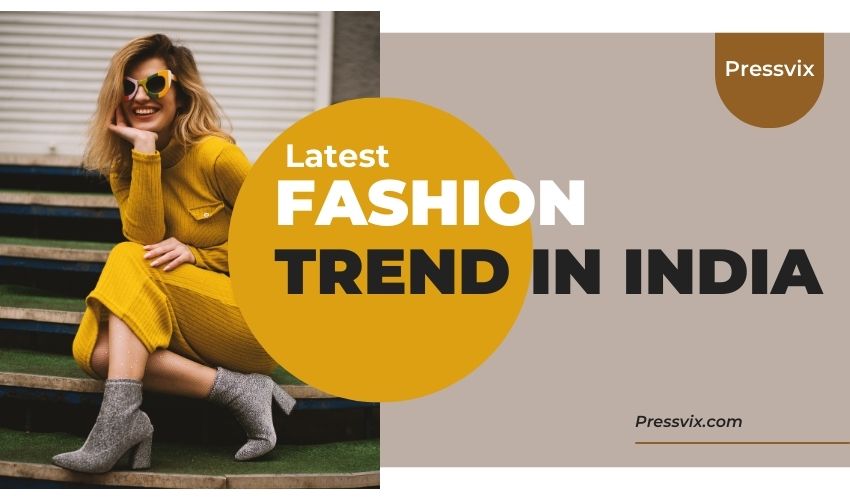
Indian fashion continues to evolve by blending cultural heritage with modern lifestyles. From everyday wear to festive dressing, current fashion trends reflect practicality, comfort, and personal expression rather than seasonal hype. Across cities and smaller towns alike, people are embracing styles that feel wearable, climate-appropriate, and versatile for work, travel, and social life.
This guide explains the latest fashion trends in India, focusing on what people are actually wearing, how trends are shaping wardrobes, and what these changes mean in real-world terms.
Revival of Ethnic Wear with Modern Styling
Traditional Indian clothing remains central to fashion, but it is being reinterpreted with lighter fabrics, simpler silhouettes, and modern cuts. Instead of heavily embellished outfits reserved only for occasions, ethnic wear is becoming more suitable for daily and semi-formal use.
- Kurtas with minimal prints paired with trousers or jeans
- Sarees styled with contemporary blouses and subtle drapes
- Lehengas designed with cleaner lines and softer colour palettes
This shift reflects a preference for elegance without excess, making ethnic wear more functional for regular wear.
Comfort-First Everyday Fashion
Comfort has become a major factor in clothing choices across age groups. People are prioritising breathable fabrics, relaxed fits, and clothing that allows easy movement, especially for long workdays or travel.
Loose Fits and Easy Silhouettes
Oversized shirts, relaxed trousers, and flowy dresses are now common in everyday wardrobes. These pieces are often styled simply, focusing on comfort rather than strict tailoring.
Natural and Climate-Friendly Fabrics
There is a noticeable preference for cotton, linen, and blended fabrics that suit Indian weather conditions. These materials are practical for hot and humid climates and are easier to maintain.
Fusion Fashion Across Age Groups
Fusion wear continues to gain popularity, combining traditional elements with Western clothing styles. This trend is no longer limited to younger audiences; working professionals and older age groups are also adopting it.
- Ethnic jackets layered over Western outfits
- Palazzo pants paired with structured tops
- Indo-Western dresses suitable for office and casual outings
Fusion fashion works well because it adapts to different social settings without requiring separate wardrobes.
Subtle Colour Palettes and Earthy Tones
Bright colours remain part of festive fashion, but daily wear is increasingly dominated by neutral, pastel, and earthy tones. Shades like beige, olive, muted blues, soft pinks, and off-whites are common across men’s and women’s clothing.
These colours are easier to mix and match, making outfits more versatile and long-lasting.
Street Style Influence in Urban Fashion
Urban fashion trends are being shaped by street style rather than runway fashion. Clothing inspired by casual city wear is now widely accepted as everyday fashion.
- Sneakers paired with traditional and Western outfits
- Graphic t-shirts styled with ethnic layers
- Relaxed denim combined with statement accessories
This trend reflects a shift toward self-expression and individuality instead of formal fashion rules.
Accessories as Statement Pieces
Accessories are playing a bigger role in defining outfits. Instead of heavy jewellery, people are opting for fewer but more noticeable pieces.
- Minimal jewellery with clean designs
- Functional handbags that balance style and utility
- Footwear that combines comfort with design, such as flats and low heels
Accessories are often used to elevate simple outfits rather than overpower them.
Practical Reality Check: What These Trends Do Not Mean
A common misconception is that following fashion trends requires constant shopping or expensive clothing. In reality, most current trends focus on reusing existing pieces and styling them differently.
Many trends emphasise versatility, comfort, and practicality rather than fast-changing styles. This means individuals can stay current by updating how they wear clothes, not by frequently replacing their wardrobes.
Conclusion
The latest fashion trends in India reflect a balanced approach to dressing—rooted in tradition, shaped by modern lifestyles, and driven by comfort and practicality. Rather than dramatic seasonal shifts, fashion today focuses on adaptability, personal style, and everyday usability.
By understanding these trends, individuals can make thoughtful clothing choices that suit their routines, climate, and cultural preferences without chasing short-lived fashion cycles.