


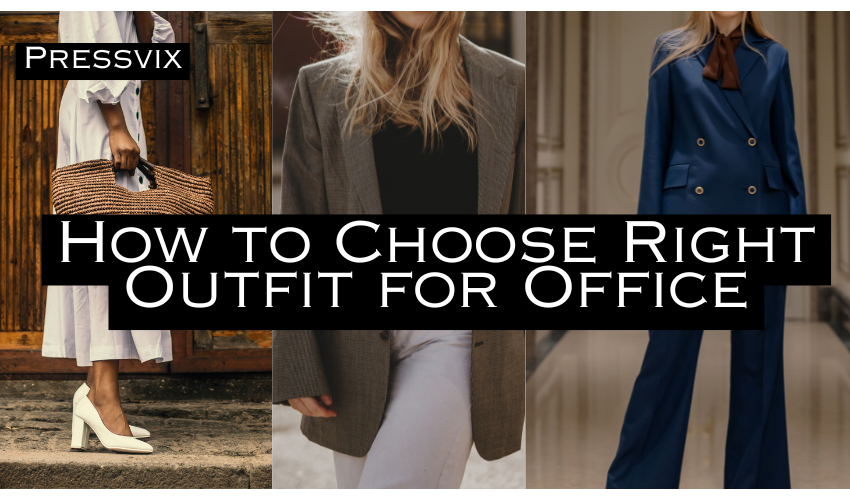
Choosing the right outfit for office is not just about looking good; it plays a role in how professionally you are perceived and how confident you feel throughout the day. In most workplaces, clothing is an unspoken form of communication that reflects reliability, seriousness, and respect for the work environment. Understanding how to dress appropriately can help you strike the right balance between comfort, professionalism, and personal style.
Understand Your Office Dress Code
The first step in choosing the right office outfit is understanding what your workplace expects. Dress codes vary widely depending on the industry, company culture, and even the city you work in.
Common Types of Office Dress Codes
- Formal: Typically seen in corporate offices, finance, law, or senior management roles. This includes suits, formal shirts, tailored trousers, and closed shoes.
- Business Casual: A mix of formal and relaxed wear. Shirts, blouses, chinos, trousers, and modest dresses are common.
- Casual or Smart Casual: Found in startups and creative industries. While more relaxed, clothing should still look neat and intentional.
If the dress code is not written, observe what colleagues and managers usually wear and align yourself with the general standard.
Prioritise Fit and Comfort
An outfit that looks good but feels uncomfortable can affect your focus and confidence. Office wear should allow easy movement and be suitable for long working hours.
- Choose fabrics that breathe well, especially in warmer climates.
- Avoid clothes that are too tight, too loose, or restrictive.
- Ensure proper tailoring for trousers, shirts, blazers, or dresses.
Comfortable clothing helps maintain a professional posture and reduces unnecessary distractions during the workday.
Keep It Professional and Appropriate
Professionalism in office dressing is less about fashion trends and more about neatness and modesty.
- Avoid overly bright colours, loud prints, or flashy designs.
- Ensure clothes are clean, ironed, and well-maintained.
- Choose modest necklines, appropriate lengths, and subtle patterns.
When in doubt, slightly overdressing is generally safer than appearing too casual.
Choose Colours and Patterns Thoughtfully
Neutral colours such as navy, black, grey, beige, and white are commonly associated with professionalism and are easy to mix and match.
- Use muted colours for everyday wear.
- Add subtle patterns or accent colours through accessories.
- Reserve bold colours for specific days or less formal settings.
Balanced colour choices create a polished appearance without drawing unnecessary attention.
Footwear and Accessories Matter
Shoes and accessories complete your office outfit and can elevate even simple clothing.
- Opt for closed-toe or formal footwear that is clean and well-kept.
- Choose minimal accessories such as a watch, belt, or simple jewellery.
- Avoid excessive makeup, strong fragrances, or noisy accessories.
Well-chosen accessories show attention to detail without being distracting.
Common Misconception: Formal Means Uncomfortable
A common misconception is that office-appropriate clothing must be stiff or uncomfortable. In reality, professional outfits can be both polished and practical.
Modern office wear offers fabrics and designs that are breathable, flexible, and suitable for long hours. Choosing the right size, fabric, and cut allows you to look professional without compromising comfort.
Practical Considerations for Daily Office Wear
Beyond appearance, practical factors should influence your outfit choices.
- Consider commute conditions, including weather and travel time.
- Layer clothing if you move between outdoor heat and air-conditioned spaces.
- Keep a versatile wardrobe that allows easy coordination.
Planning outfits in advance can save time and reduce daily stress.
Conclusion
Choosing the right outfit for office is about understanding your workplace culture, prioritising comfort, and presenting yourself professionally. When clothing fits well, feels comfortable, and aligns with office expectations, it supports confidence and productivity. By making thoughtful choices and avoiding common mistakes, you can build a work wardrobe that is both practical and appropriate for everyday professional life.