


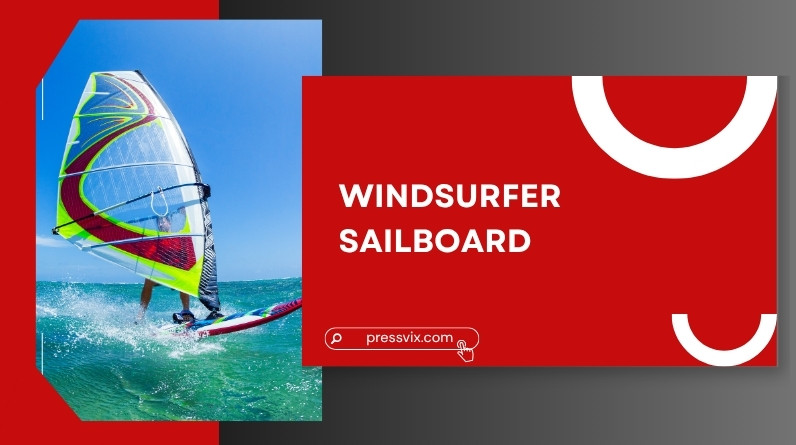
- Clear definition of a windsurfer sailboard
- Difference between windsurfing, sailboarding, and boardsailing
- How windsurfing actually works (simple explanation)
- Full breakdown of equipment (board + rig system)
- Types of windsurf boards and when to use each
- How to choose the right sailboard for your skill level
- What to expect as a beginner
- Real-world use cases (lake, ocean, waves)
- Cost of getting started
- Common mistakes to avoid
What Is a Windsurfer Sailboard?
A windsurfer sailboard is a board powered by a sail that you control while standing on it. Think of it as the midpoint between surfing and sailing — you ride the water like a surfboard, but you’re driven entirely by wind, the way a sailboat is.
Windsurfer vs Sailboard vs Windsurfing
These terms trip up a lot of beginners, but the distinction is mostly historical:
- Sailboard: The original term for the board-and-sail setup
- Windsurfer: Used to describe both the rider and the equipment
- Windsurfing: The modern, widely accepted name for the sport
Today, “windsurfing” has become the standard term. “Sailboard” is less common but still technically accurate — you’ll hear it used mainly by older riders or in equipment-focused contexts.
Why the Terminology Still Confuses People
The confusion comes from overlap — people use “windsurfer” to describe the gear, the activity, and the person doing it. For beginners, the simplest way to think about it: windsurfing is the sport, and the sailboard is the equipment you use to do it.
How a Windsurfer Sailboard Works (Simple Mechanics)
The Basic Principle
Wind pushes against the sail and creates forward force. That force travels down through the mast into the board, propelling you across the water. The stronger and steadier the wind, the more power you have to work with.
How You Control Direction and Speed
Steering happens through a combination of tilting the sail and shifting your body weight. Pulling the sail toward you increases power and speed; angling it differently redirects the board. It takes a session or two to feel intuitive, but the mechanics are consistent once they click.
What “Planing” Means
At higher speeds, the board lifts and starts skimming across the surface rather than pushing through the water. This is called planing — and it’s the moment windsurfing transforms from a slow, balanced exercise into something that genuinely feels fast and effortless. Most beginners experience their first plane within a few sessions of regular practice.
Windsurfer Sailboard Components (Full Equipment Breakdown)
Board
The board provides flotation and stability. Wider, higher-volume boards are far more forgiving for beginners because they’re harder to tip and easier to balance on, especially when the sail is out of the water.
Sail
The sail captures wind power and converts it into forward motion. Bigger sails generate more power but require more physical effort to control — which is why matching sail size to wind conditions matters as much as matching it to your skill level.
Mast, Boom, and Rig
- Mast: The vertical pole that holds the sail’s shape
- Boom: The horizontal bar you grip and use to control the sail
- Rig: The collective term for the entire sail system (mast + boom + sail)
Daggerboard, Fin, and Foot Straps
- Daggerboard: A retractable centerboard that helps beginners track upwind and stay stable in light conditions
- Fin: Mounted at the tail of the board; improves directional tracking and speed
- Foot straps: Used once you’re planing — they keep your feet anchored to the board at speed
Harness
Not essential for your first few sessions, but a harness becomes important as you progress. It hooks into the boom and distributes the sail’s pulling force across your body rather than just your arms — which makes longer sessions far less tiring. Most intermediate riders consider it a necessity.
How Everything Connects
The rig attaches to the board through a universal joint at the mast base, which allows it to pivot in any direction. This free movement is what makes steering and power control possible — and it’s also what makes windsurfing feel different from any other sail sport.
Types of Windsurf Boards (And When to Use Each)
| Type | Best For | Skill Level | Conditions |
|---|---|---|---|
| Freeride | Easy cruising | Beginner–Intermediate | All-around |
| Slalom | Speed | Intermediate–Advanced | Flat water |
| Wave | Surfing waves | Intermediate–Advanced | Ocean waves |
| Freestyle | Tricks | Intermediate–Advanced | Flat water |
| Race | Competition | Advanced | Flat water |
| Windfoil | Gliding above water | Advanced | Light wind |
Each board is built around a specific purpose and riding style. Windfoiling, in particular, has grown rapidly in recent years — foil boards now account for a significant share of new sailboard sales globally, appealing to advanced riders who want to fly above the water in lighter winds. That said, beginners should sidestep specialized boards entirely and start with something stable and forgiving.
How to Choose the Right Windsurfer Sailboard
Based on Skill Level
Beginners need large, stable boards with high volume. Advanced riders gravitate toward smaller, lower-volume boards that respond faster and feel more alive at speed — but those same qualities make them unforgiving in the early stages.
Based on Water Type
- Lakes and bays: Stable freeride boards work best; conditions are predictable
- Ocean waves: Dedicated wave boards, which are shorter and more maneuverable
- Flat-water racing: Slalom or race boards optimized for speed
Based on Wind Conditions
Light wind calls for larger sails and higher-volume boards to generate enough power to get moving. In stronger winds, a smaller sail gives you control without being overpowered. As a rough guide, 12–18 knots is a comfortable learning range for most beginners.
Board Volume & Sail Size (Simple Rule)
More volume equals more stability and easier uphauling. Beginners typically need boards in the 160–200+ liter range — a practical formula is to take your body weight in kilograms and add 80–100 liters for a starting point. For sails, most new riders do well with a 5.5–6.5 m² freeride sail in moderate wind.
One Board vs Multiple Boards
When you’re starting out, one versatile freeride board covers everything you need. As your skills develop and you find the conditions you enjoy most, adding a second board for those specific situations makes more sense.
Beginner Guide: What to Expect on Your First Day
How Hard Is Windsurfing?
It feels challenging at first because you’re managing balance, wind awareness, and body coordination all at once. That said, most people can stand, sail a straight line, and make basic turns within a few hours on the water — especially on a wide, stable board.
First Session Reality
Expect to fall. A lot. You’ll spend time pulling the sail up from the water, adjusting your stance, and figuring out how the wind changes moment to moment. That’s all normal, and it’s where the learning actually happens. Progress tends to accelerate noticeably after the first session.
Skills You’ll Learn First
- Balancing on the board
- Pulling up the sail (uphauling)
- Basic steering
- Turning (tacking)
How Long It Takes to Improve
Within a few sessions, most beginners can sail steadily and change direction with confidence. Planing, foot strap use, and harness work come later but build naturally once the fundamentals are solid.
Common Beginner Mistakes to Avoid
- Choosing a board that’s too small — this is the most common frustration point
- Ignoring wind conditions before heading out
- Tensing up instead of staying relaxed through the legs and hips
- Rushing into advanced moves before the basics feel automatic
Most early frustration in windsurfing comes from mismatched equipment — not a lack of ability. The right board makes the learning curve noticeably gentler.
Real-World Uses of a Windsurfer Sailboard
Flat Water (Lakes & Bays)
The ideal environment for beginners and casual riders. Conditions are consistent, there’s no swell to manage, and it’s easy to stay close to shore while building confidence.
Ocean Waves
A more dynamic and physically demanding experience. Riding waves on a windsurf board requires strong board control and the ability to read changing conditions quickly — it’s where the sport gets genuinely athletic.
Racing
Slalom and course racing are entirely focused on speed and tactical efficiency. Equipment is dialed in for performance, and the skill gap between recreational and competitive sailing is significant.
Recreational Cruising
Many windsurfers never race or chase waves — they simply enjoy gliding across open water with steady wind. It’s a surprisingly meditative way to spend time on the water, and a freeride board handles it beautifully.
How Much Does a Windsurfer Sailboard Cost?
Beginner Setup
A complete beginner package — board, sail, mast, boom, and base — typically runs between $800 and $2,000 new, depending on the brand and build quality. Entry-level packages are designed to simplify the buying process, bundling all the right components together.
Advanced Gear
Performance boards and high-end sails cost more due to lighter materials like carbon sandwich and monofilm construction. A serious intermediate-to-advanced setup can run $2,500–$5,000 or more when buying new.
New vs Used
Buying used is a smart move for beginners. A solid second-hand setup can be found for $300–$600, letting you learn the sport without a large upfront commitment. Check local watersports shops and windsurfing communities for deals on quality used gear.
Ongoing Costs
- Maintenance and repairs
- Accessories (harness, wetsuit, personal flotation device)
- Occasional sail or board upgrades as your skill grows
Windsurfing vs Surfing vs Kitesurfing
Key Differences
- Windsurfing: Sail is attached directly to the board; you control power and direction hands-on
- Surfing: Wave-powered only; no sail or external propulsion
- Kitesurfing: A separate kite generates power; the board is smaller and unattached
Which One Should You Choose?
Windsurfing offers the most versatility across conditions — flat water, chop, waves, light wind, strong wind. If you want full control over your power source and the freedom to sail in a wide range of environments, it’s a strong choice. Kitesurfing has a steeper initial learning curve but is faster to progress once the basics are down; surfing requires waves and no equipment beyond the board itself.
FAQs About Windsurfer Sailboards
What size sailboard should a beginner use?
Beginners should start with a board in the 160–200+ liter range for stable flotation and easy uphauling. The right volume largely depends on your body weight — a common starting point is your weight in kilograms plus 80–100 liters.
Can you windsurf without waves?
Yes. Windsurfing works perfectly on flat water — lakes, reservoirs, and sheltered bays are actually ideal learning environments.
What wind speed is ideal for beginners?
Somewhere between 12 and 18 knots is the sweet spot. It’s enough wind to get moving and feel the sail, but not so much that control becomes difficult.
Is windsurfing expensive?
It can be, but starting with used gear or a beginner package keeps the cost manageable. Many people get into the sport for a few hundred dollars on the secondhand market.
Can one board work in all conditions?
For beginners, yes — a good freeride board handles most situations well. Advanced riders typically build a quiver of boards and sails to cover the full range of wind and water conditions they ride in.
How long does it take to learn windsurfing?
The basics — standing, sailing a line, and tacking — come within a few sessions. Consistent, confident sailing takes a few weeks of regular practice; advanced skills like planing and jibing develop over months.
Conclusion
A windsurfer sailboard may look complex at first, but once you understand how the board, sail, and wind work together, everything starts to make sense. The key is choosing the right setup for your level, getting on the water in manageable conditions, and focusing on the fundamentals before chasing speed or tricks.
With the right approach, windsurfing becomes less about struggle and more about flow — gliding across water using nothing but wind and balance. Start simple, stay patient, and progress will come faster than you expect.